 Wonderful Peace
When I Survey the Wondrous Cross
- When I survey the wondrous cross On which the Prince of glory died, My richest gain I count but loss, And pour contempt on all my pride.
- Forbid it, Lord, that I should boast, Save in the death of Christ my God! All the vain things that charm me most, I sacrifice them to His blood.
- See, from His head, His hands, His feet, Sorrow and love flow mingled down! Did e’er such love and sorrow meet, Or thorns compose so rich a crown?
- Were the whole realm of nature mine, That were a present far too small; Love so amazing, so divine, Demands my soul, my life, my all.
Words as printed in old hymnals, free for anyone to sing and share. Checked word for word against an old printed hymnal: Methodist Hymnal 1905 #141.
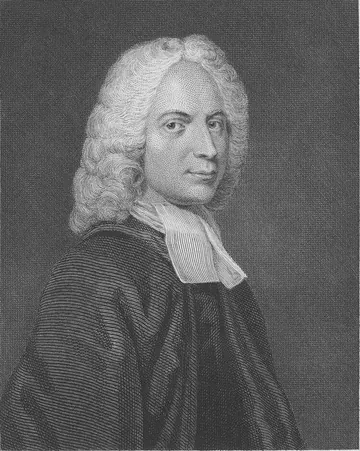
Engraving by R. Newton, 1822
The story behind the hymn
Isaac Watts was born in Southampton, England, in 1674. In his day most English churches sang only the Psalms, set in stiff and awkward rhymes.
The story is told that young Isaac complained about the singing at his church, and his father told him that if he could do better, he should. Whether or not it happened just that way, Watts did begin writing hymns, many of them, in plain and heartfelt words.
In 1707 he published a book called “Hymns and Spiritual Songs.” In it was “When I Survey the Wondrous Cross.” Its opening thoughts come from Galatians chapter 6, where Paul writes, “God forbid that I should glory, save in the cross of our Lord Jesus Christ.”
Watts was small and often in poor health, and he never married. Yet he wrote hundreds of hymns, and he is often called the father of English hymn singing. This one is counted among the finest ever written. It asks us simply to stand and look at the cross, until we can say with him, “Love so amazing, so divine, demands my soul, my life, my all.”